


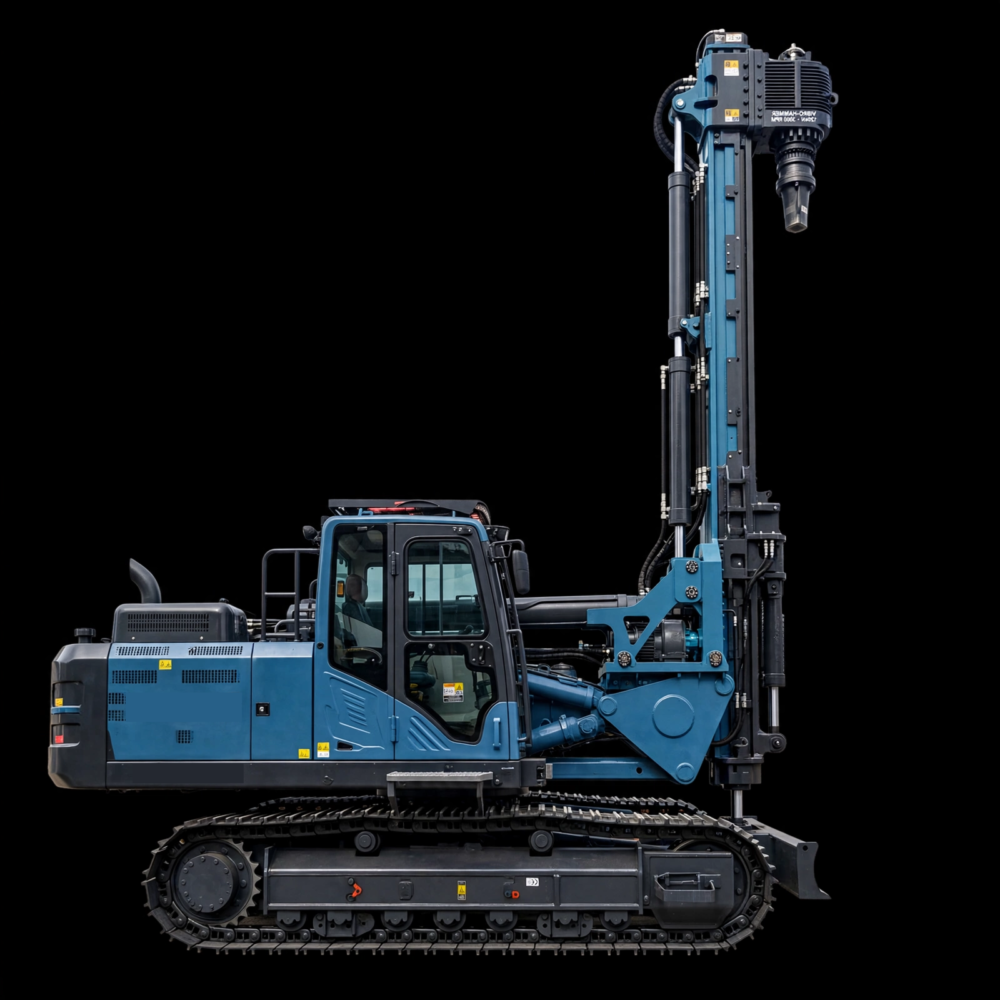
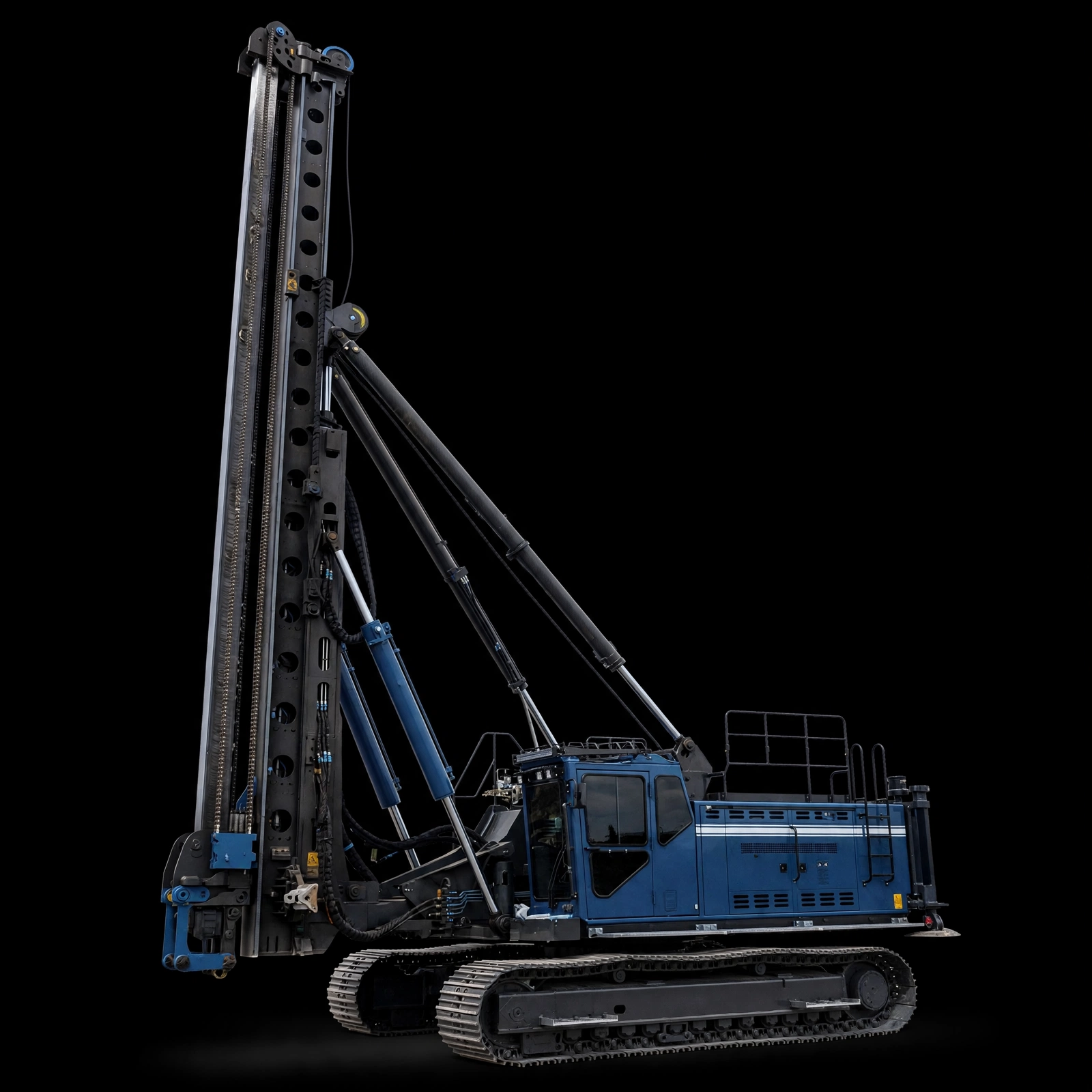
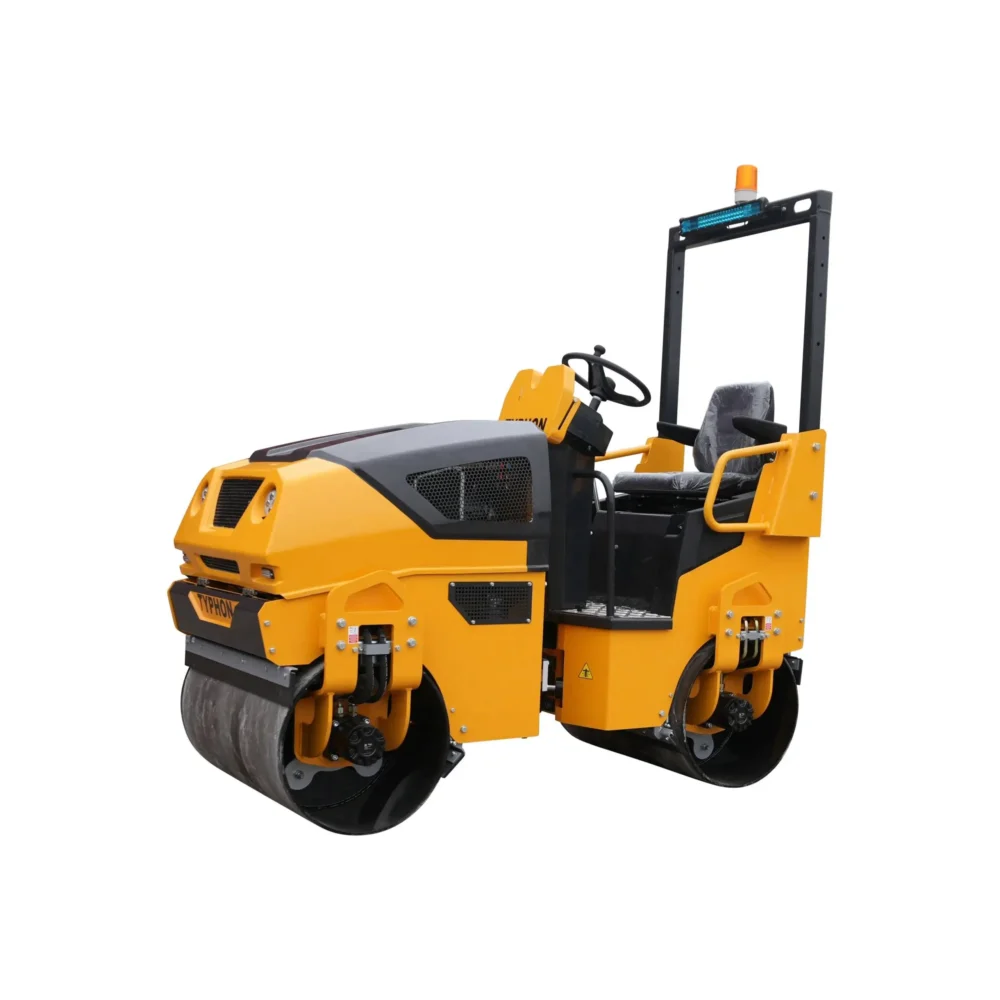
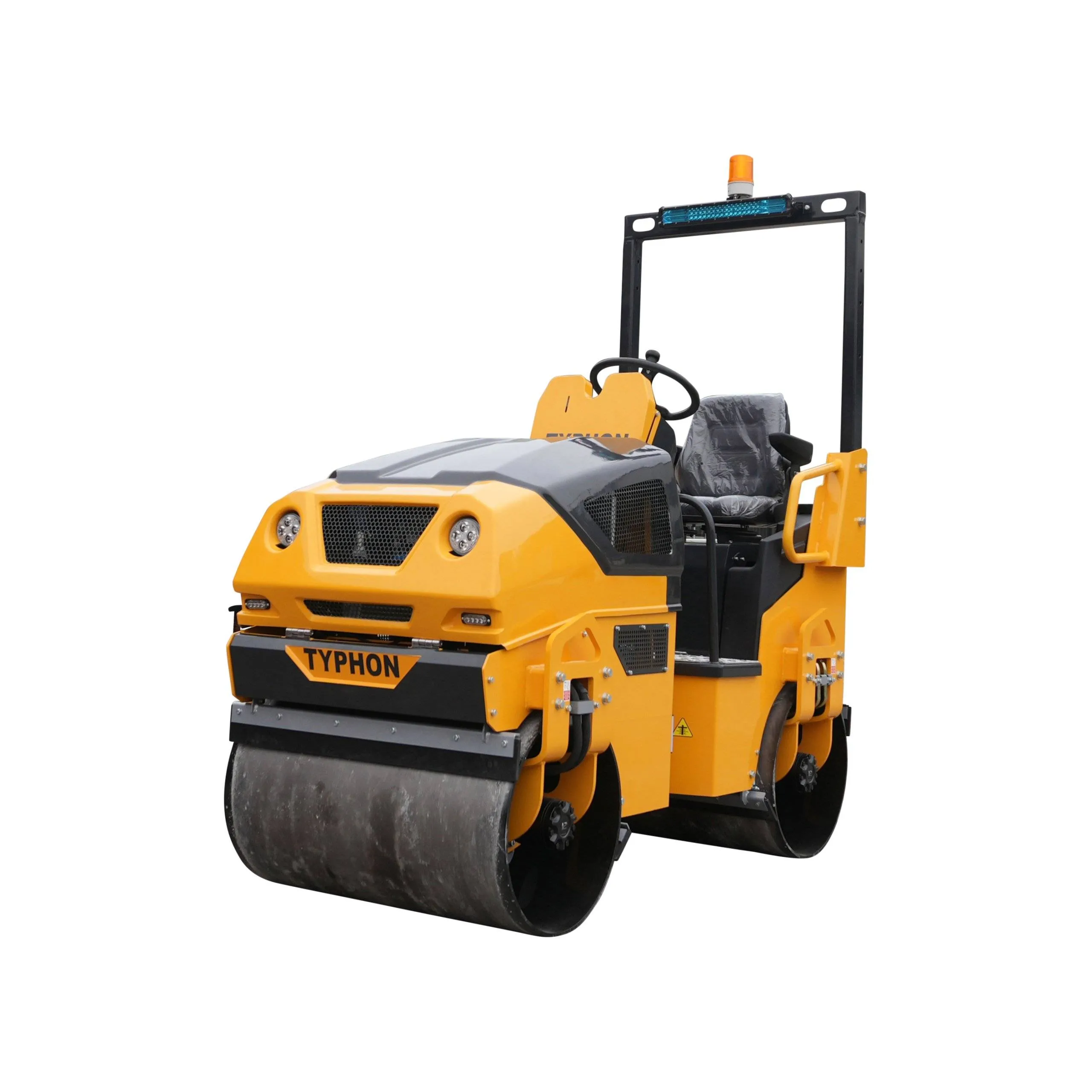

This site exists to help contractors, engineers, and crews understand pile driving equipment before they’re standing on a jobsite figuring it out. We cover hammer types, driving methods, ground assessment, and equipment specs — plain and straightforward, no sales pitch. If you’d rather rent than research, we can point you in the right direction too..
why choose us
Everything on this site comes from actual equipment experience — how a hammer behaves in clay versus rock, when vibratory beats impact driving, what wears out first on a rig. We keep it accurate and current.
Every term you'll hear on the rig — impact, vibratory, and rotary drilling. From blow count to kelly bar, defined in plain language by people who've run the equipment. Tap any card for the full definition.
Try a different spelling, or clear the search to browse all 44 terms.
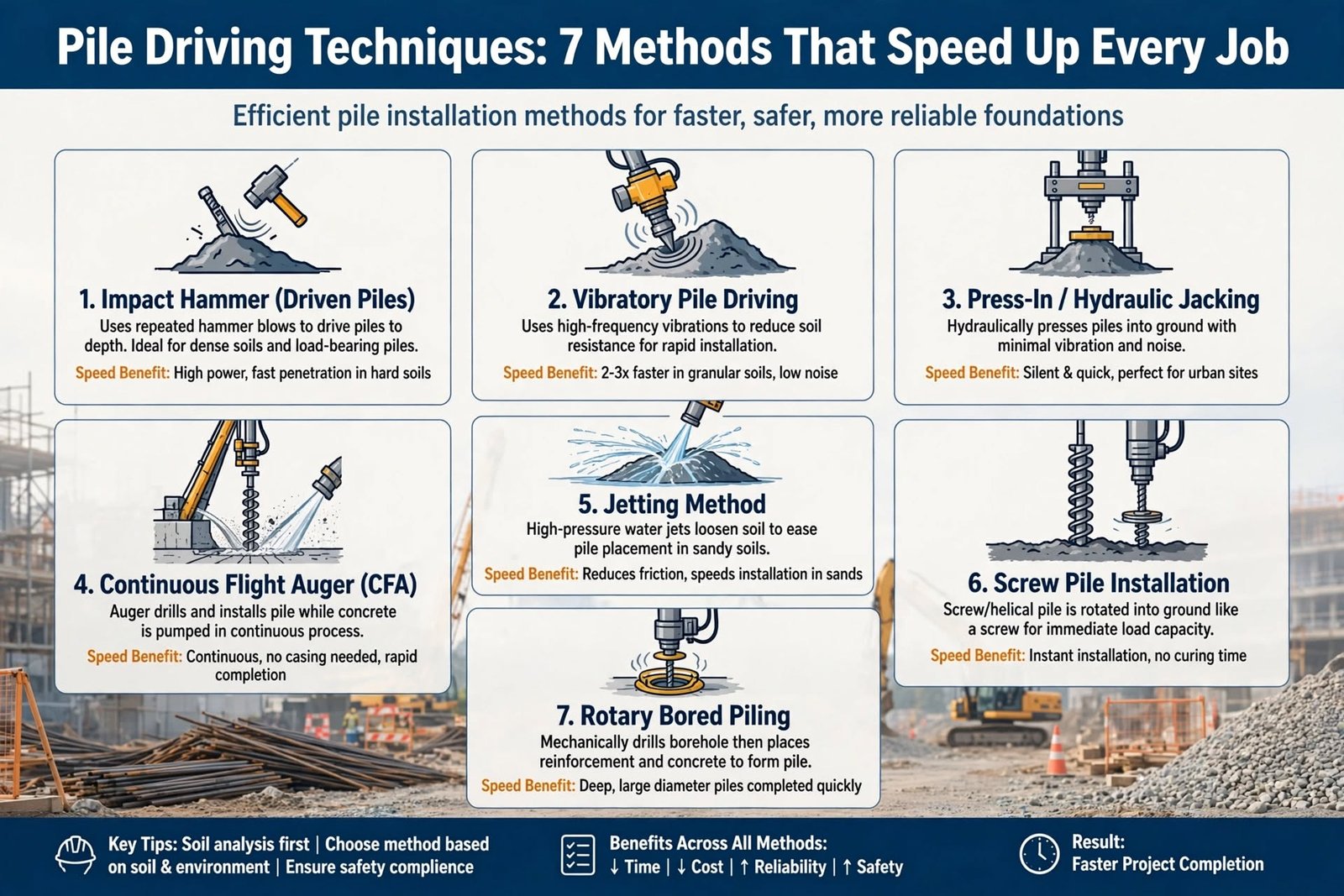
Bore it or hammer it? Rotary drilling turns its way through the ground; impact driving pounds a pile home. Each wins on different soil, in different surroundings, for different piles. Here's when to reach for which.
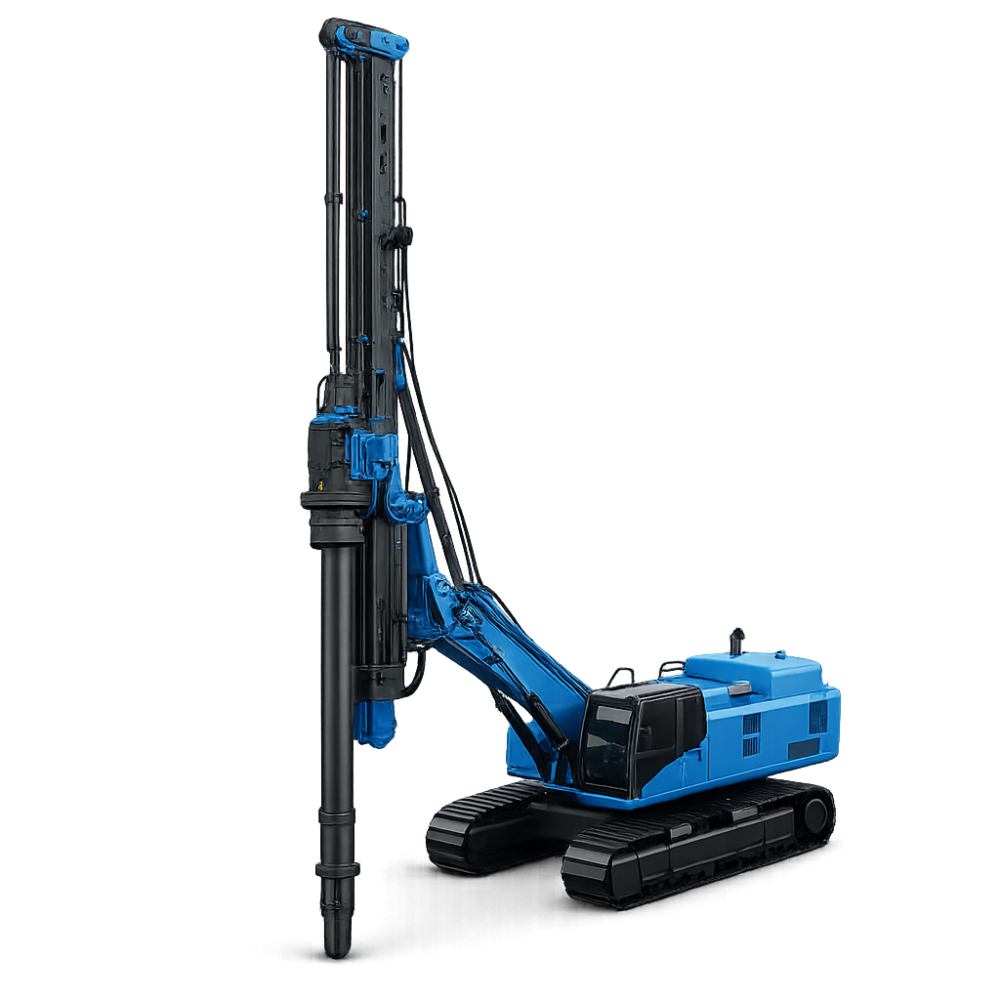
A rotating auger or drill head cuts and lifts spoil, boring a hole that's filled with steel and concrete. No pounding — just torque. The method for dense, mixed, or sensitive ground where hammering isn't practical.
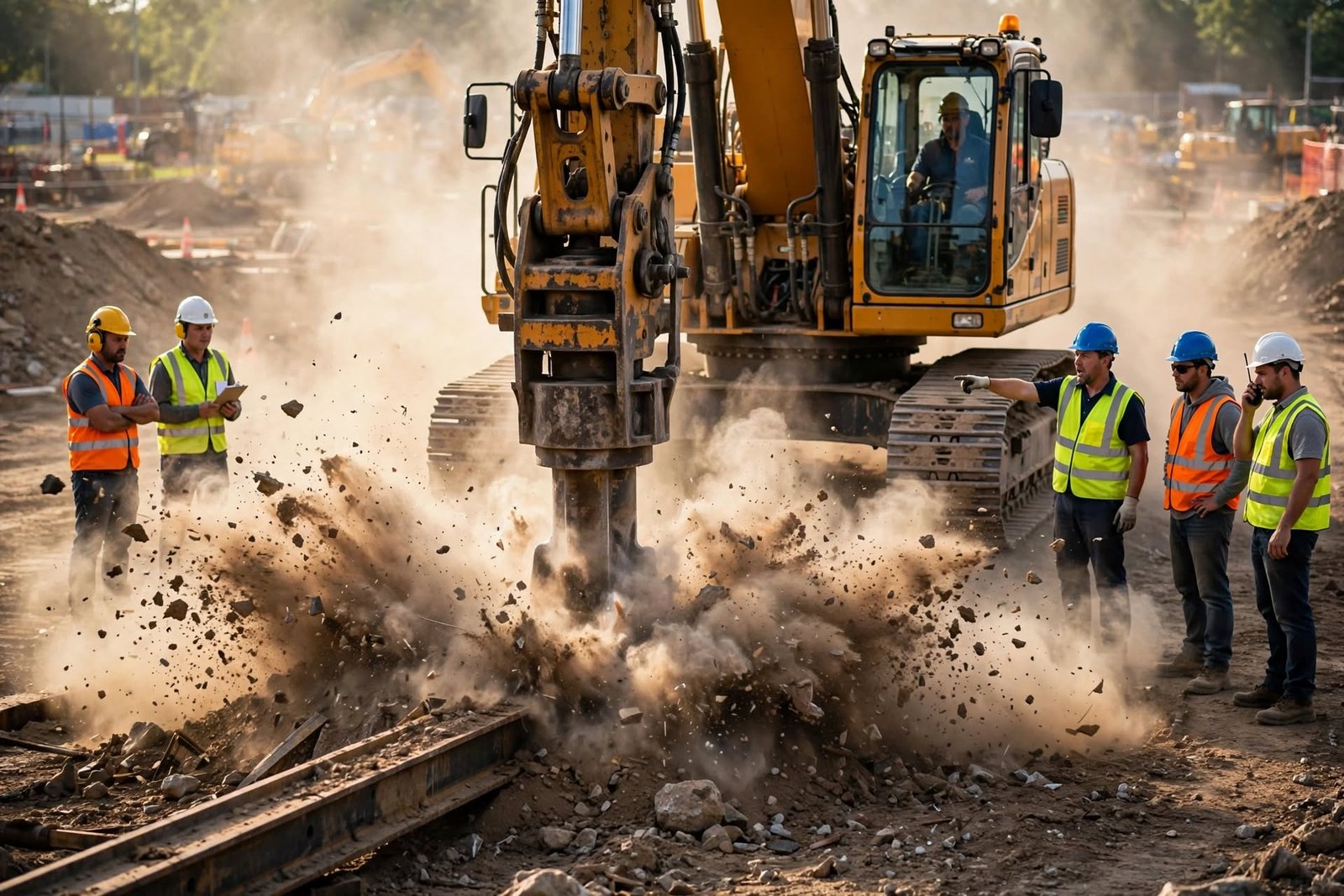
A ram falls or fires onto the pile head, blow after blow, until the pile reaches bearing. Fast, proven, and the only method that confirms capacity through blow counts as it drives. The workhorse of deep foundations.
Hammer when you can — impact driving is faster, cheaper, and proves bearing as it goes. Bore when you can't — rotary drilling wins the moment noise, vibration, obstructions, or very hard ground take hammering off the table. The soil and the surroundings choose the method, not the other way around.
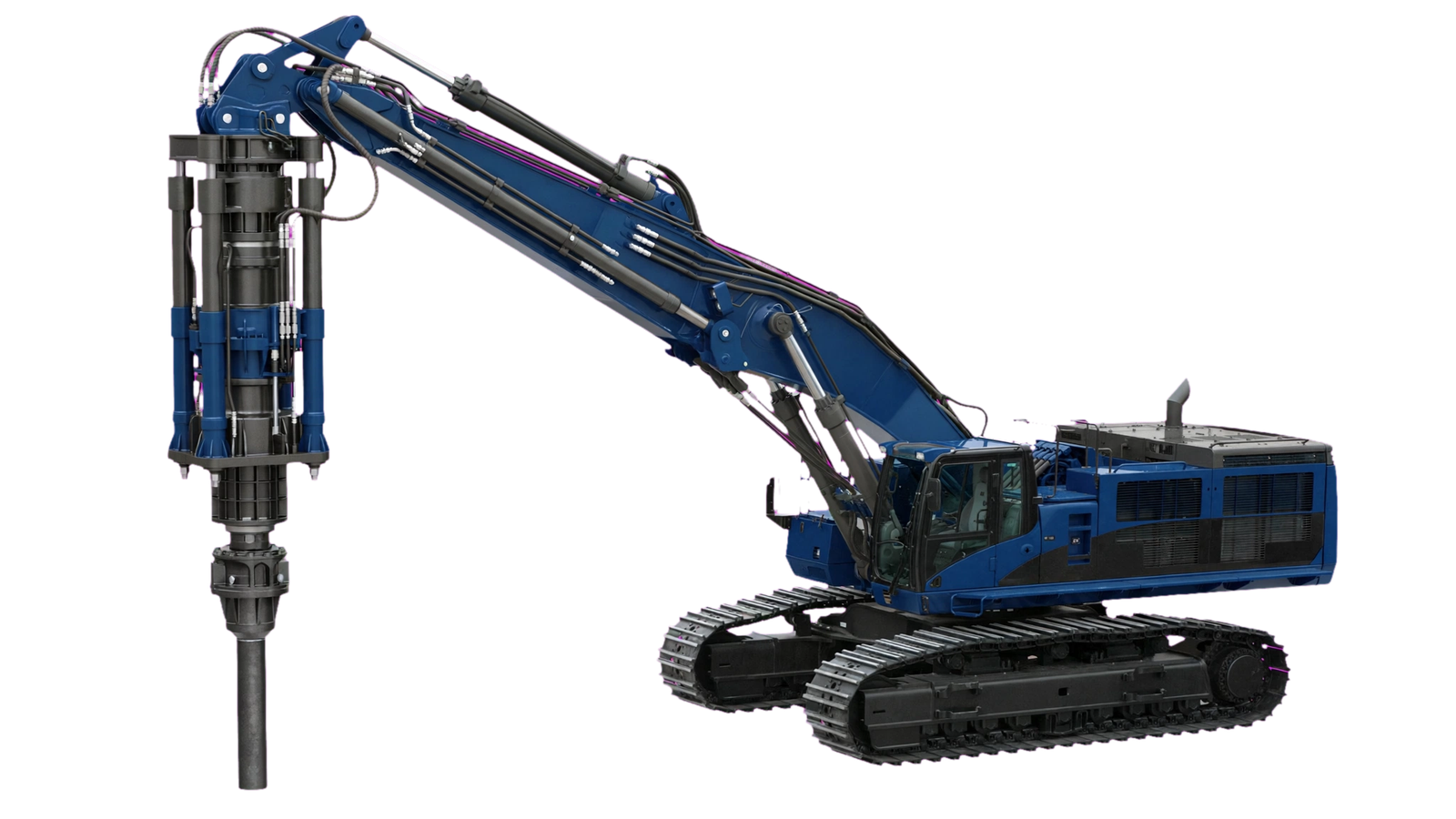
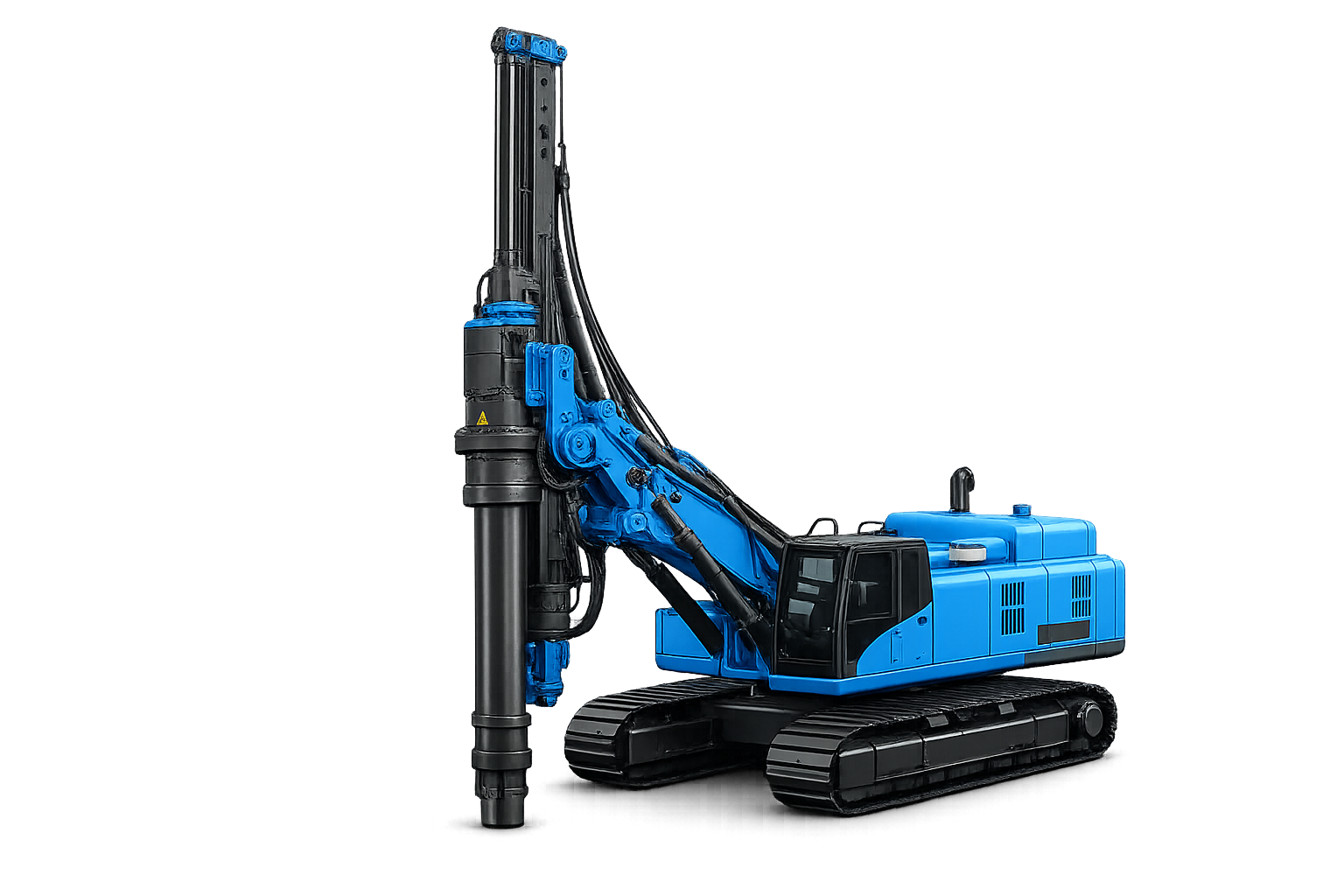
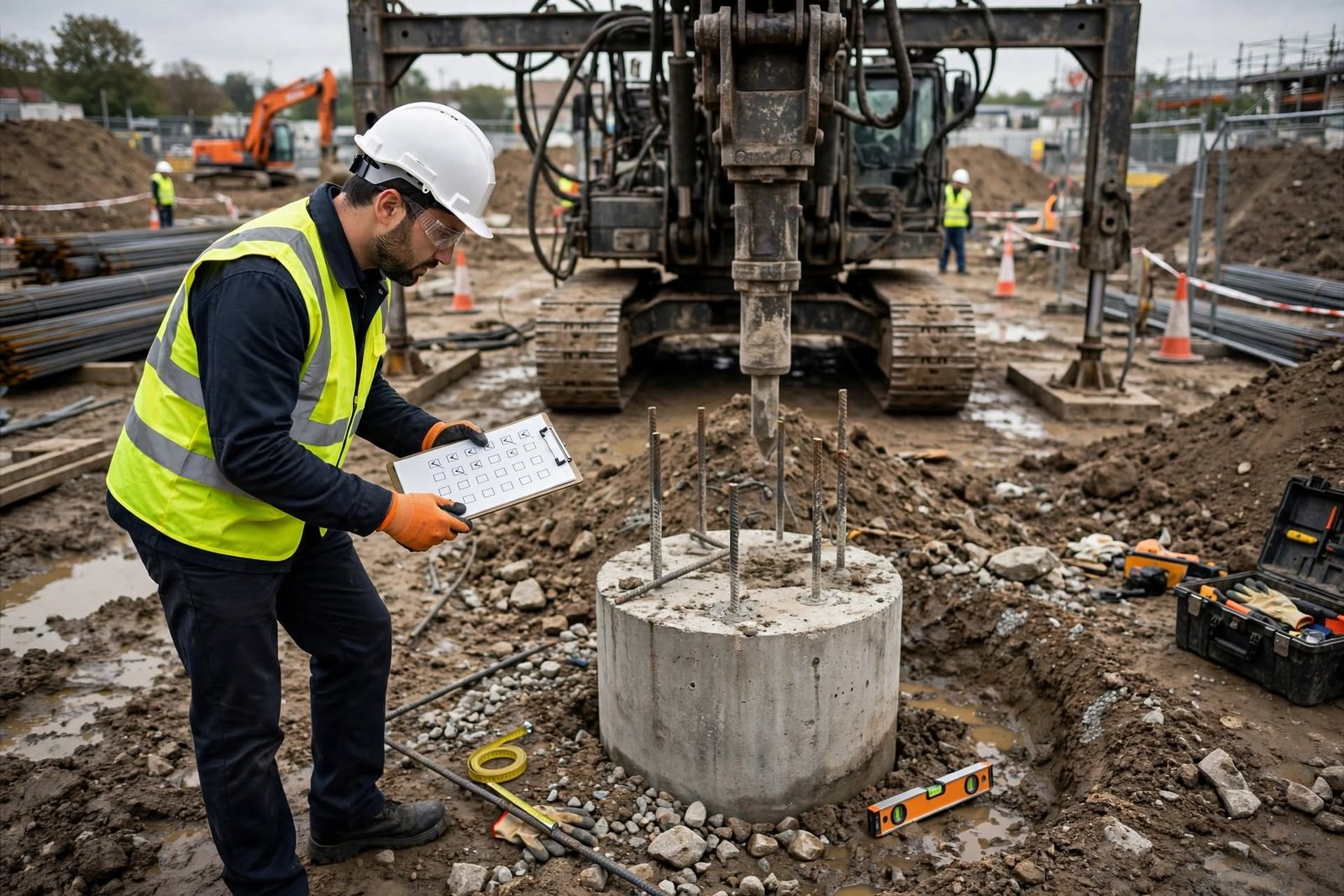
A pile driver uses repeated impact or vibration force to drive structural piles into the ground until they reach load-bearing depth.
Hydraulic fluid drives a weighted ram upward, which then falls under gravity and hydraulic assist to strike the pile cap, delivering consistent impact energy per stroke.
Diesel hammers, hydraulic impact hammers, and vibratory hammers — each suited to different soil types and pile materials.
Both exist. Diesel hammers use internal combustion for the strike; hydraulic hammers rely on a powered fluid system.
Consistent hydraulic pressure means consistent strike force — which directly affects how evenly and quickly a pile sets into the ground.
+1 213-214-2203
+1 213-214-2203
support@typhonmachinery.com
2522 S Malt Ave. Commerce, CA 90040 United States
Have a question about pile driving equipment or need guidance for your project? Send us a message and we’ll get back within one business day.